My Motherland
Introduction
My Motherland is a notable patriotic song deeply ingrained in the cultural and historical tapestry of China. Originally released as the theme song for the 1956 Chinese war film Shangganling, the song was penned by renowned lyricist Qiao Yu and composed by Liu Chi. Sung by soprano Guo Lanying, the song quickly became a classic, capturing the hearts and minds of generations with its evocative melody and stirring lyrics.
Historical Background
The inspiration for My Motherland was born during a journey by songwriter Qiao Yu, who, while traveling by train from Shanghai to Changchun, was struck by the majestic view of the Yangtze River, a symbol of Chinese civilization. This scene of natural beauty and cultural significance sparked a sense of patriotism in Qiao, leading to the creation of the iconic song.
Modern Revival
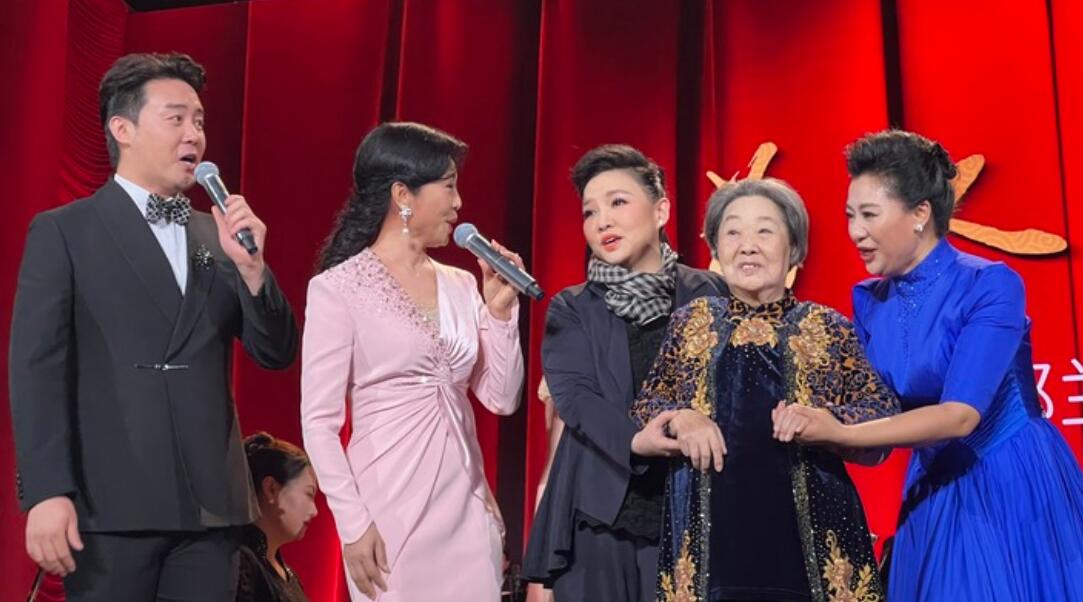
In recent years, My Motherland has enjoyed a resurgence in popularity, featured prominently in various cultural events and performances both within China and internationally. The song was part of the Melody of Time music documentary series, where it was performed by a new generation of musicians, highlighting its timeless appeal and continued relevance.
Performances and Adaptations
My Motherland has been performed by numerous orchestras and choirs, showcasing its adaptability and enduring appeal. It has been included in concerts by the Central Conservatory of Music, the Shanghai Yangguang Symphony Orchestra, and international performances, illustrating its broad impact and the emotional resonance it holds for diverse audiences.
Cultural Impact
Over the years, My Motherland has transcended its origins as a film score to become a staple in various national celebrations and events. Its lyrics and melody resonate with themes of pride and love for the country, making it a popular choice for performances during significant national occasions. The song's presence is notable in concerts, broadcasts, and public performances, often evoking a sense of unity and shared history among Chinese listeners.








